

As far as Stephen King adaptations go, Pet Sematary from 1988 is one of the better to make it to the big screen. With the author himself providing the screenplay and taking a hand in ensuring that things stayed pretty true to the director, Mary Lambert, it ends up riding the line between horror and tragedy. It makes for a memorable viewing experience and one that sticks with the audience some time after the picture has ended.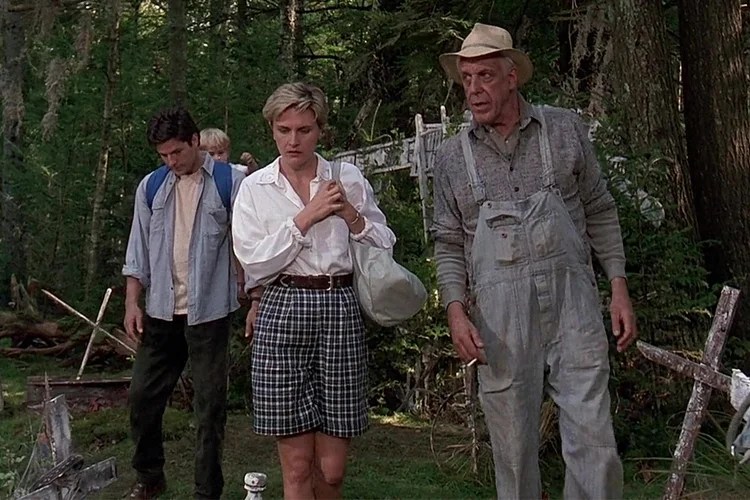 For some, this movie hits harder than for others due to its subject matter, but such is always the case when it involves children and the death of children. That particular matter runs through the movie, becoming the central plot more so than the actual cemetery itself until the two become inextricably entwined. King, no stranger to controversy, crafts a fine tale, one filled with drama, suspense, calamity, sadness and of course, horror. The latter makes itself known right from the outset of the picture, with speeding vehicles on the road. One can almost plot out nearly half of the movie from that point, as it is so apparent what is coming; yet, even knowing that, it remains riveting in its methodical pacing. Lambert does a solid job behind the camera, ensuring that key points are highlighted and the emotions of the cast are on full display for the audience, thereby building an empathic connection that makes the later events in the picture hit harder.
As for what arrives later on, it begins with the arrival of a young family in an old community that needs a doctor. On their property is an old beaten path that leads to a pet cemetery. Beyond that, the cemetery is an old Indian burial ground, one that Fred Gwynne decides to show Louis, as played by Dale Midkiff, after his cat is killed on the road. Gwynne’s character Jud does all of this to spare Louis’ daughter the grief of losing her cat, which comes back the next day, alive but changed in some way.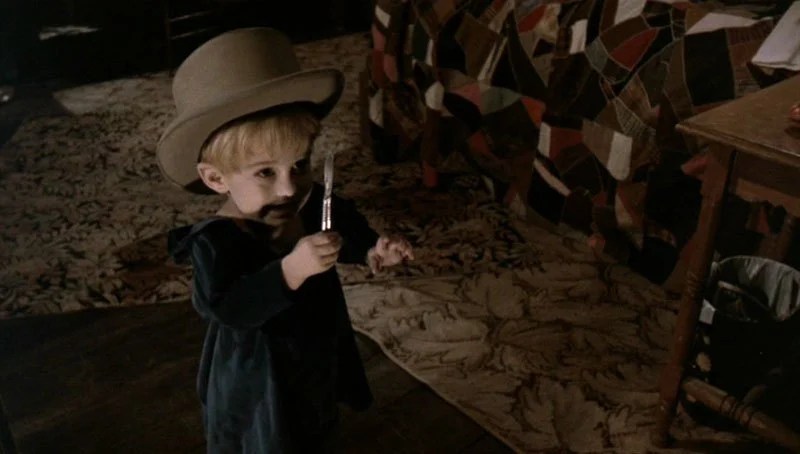 Time passes, and during a picnic, Louis’s son, Gage, gets hit by a truck on the very same road, and after somewhat losing his mind, Louis ends up burying his son in that mystical burial ground. Suffice it to say, cursed might be a better word rather than esoteric or magical, and that becomes apparent when Gage comes back and those around Louis begin to die.
The performances in this film, whether it be Denise Crosby as the mother of Gage or Midkiff and Gwynne, are all quite good, but at the end of the day, it is the legendary Gwynne who steals the show. The man knows how to deliver, and here, he does just that, encapsulating earnestness and creepiness simultaneously, which is definitely a feat in and of itself. Miko Hughes would play the young boy named Gage, and he too was quite fantastic and also quite scary by the end of the movie. By the end of the film, Louis would be a character for whom one could no longer feel sorry, as he had failed to learn from his mistakes. Grief and quite possibly madness more than likely consumed him into making those same mistakes, yet when he would meet with his now undead wife, he would get his just deserts for abusing what should not have been abused.
Altogether, this atmospheric and striking film remains near the top of that pile consisting of Stephen King adaptations. There are quite a few out there in the world, including more than one remake of this very movie, but Pet Sematary still strikes a chord to this very day and remains just as resonant as when it first premiered.
4 out of 5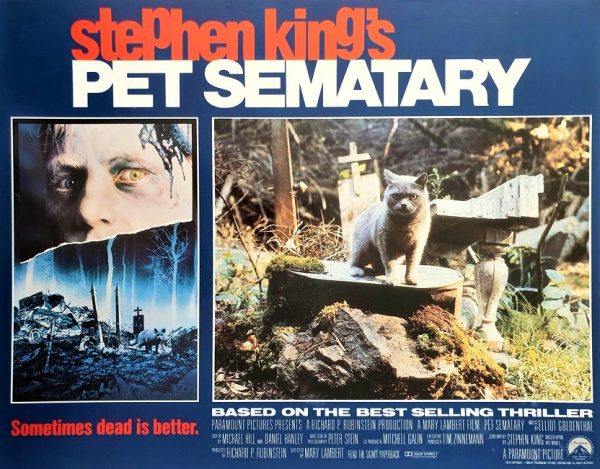
Categories: Horror, Movies and Film
 The Telltale Mind
I agree, this is a fantastic adaptation of the book and an excellent movie taken on its own as well. The scene with the sister still freaks me out, just like it did the first time I saw it. The one knock against it for me was Dale Midkiff, something about his performance never sat well with me.
LikeLiked by 1 person