
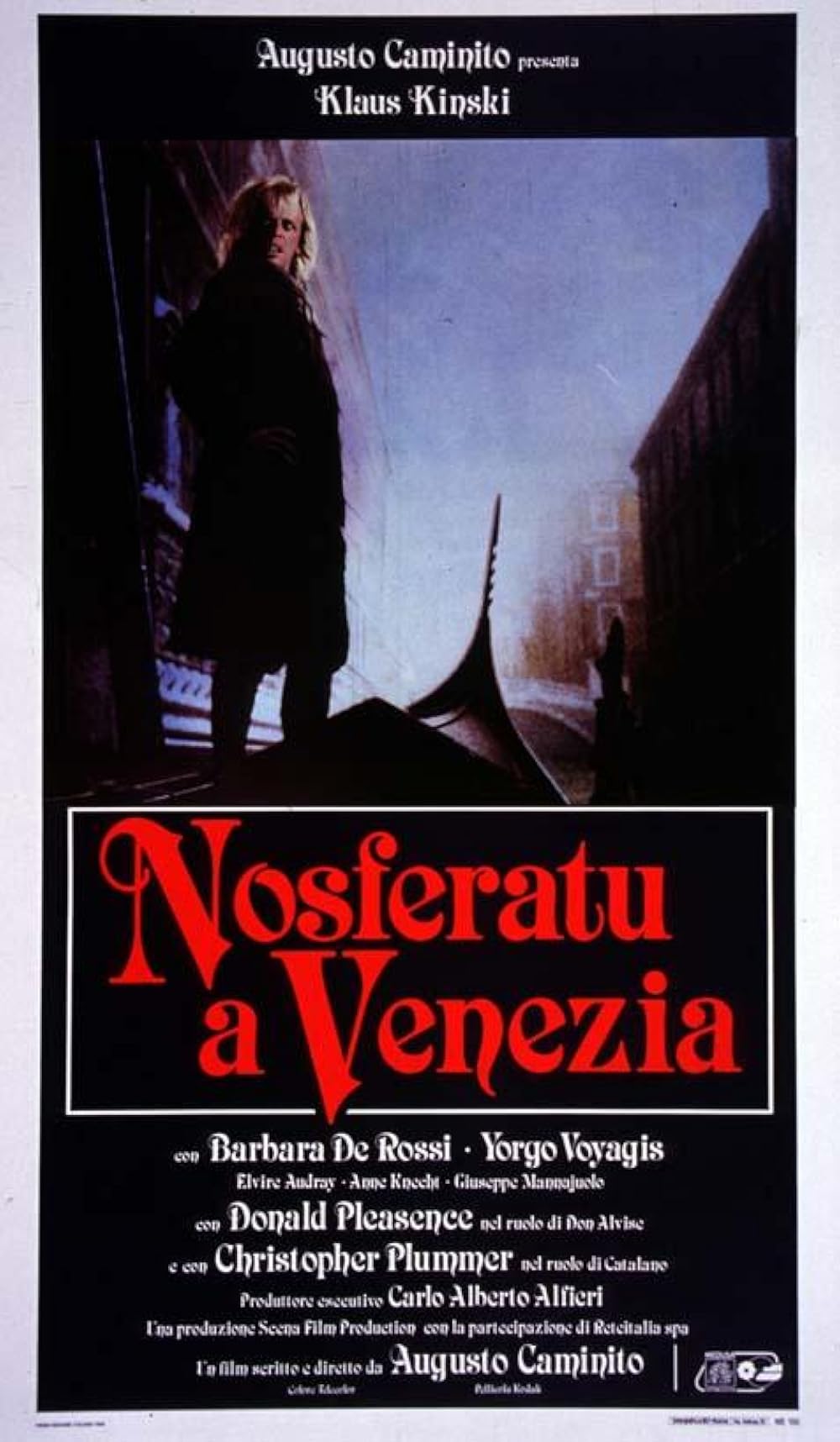
Nosferatu in Venice, Vampire in Venice, Prince of the Night or whatever title one might find this film under was supposed to be a sequel to Werner Herzog’s
“Nosferatu the Vampyr,” released nearly ten years previous. Suffice it to say, other than Klaus Kinski playing a vampire, there would be nothing to connect the two movies in any way, shape or form. In the end, that was probably a good thing, though if Augusto Caminito had had his way, it might have been a far better picture had it stuck to that original vision. There has been a lot written about the troubled production of this movie, of the rewrites, the directors who came and went and of Kinski himself, an entirely different problem who was making a reputation for himself as a troubled actor or more to the point, one who was almost impossible to work with. With a budget that was set then doubled then cut and so forth, there is no telling what this movie might have looked like had it simply set out under its original form but due to numerous circumstances, the look of this film would change time and again and Kinski would not make it easy on those behind or in front of the lens. As talented as the man was and here, Kinski was absolutely captivating as the titular vampire, he would be a monster in real life as well with tales of sexual abuse on the set with his female co-stars and his arguing with the director(s). To put it bluntly, there was quite a bit of turmoil in the making of this movie, so the fact that it was even made in the end and turned out to be as good as it was even with its various failings is a testament to the professionalism of those involved.
As for the movie itself, it would find Christopher Plummer also starring, not to mention Donald Pleasance and Barbara De Rossi, with the lot of them having to deal with a newly awoken Nosferatu. Nosferatu does a bit of wandering through the country, killing, and seducing. Now that he is awake and in the city, it is up to Plummer and company to try and figure out a way to rid themselves of the menace they unwittingly brought back. What is most 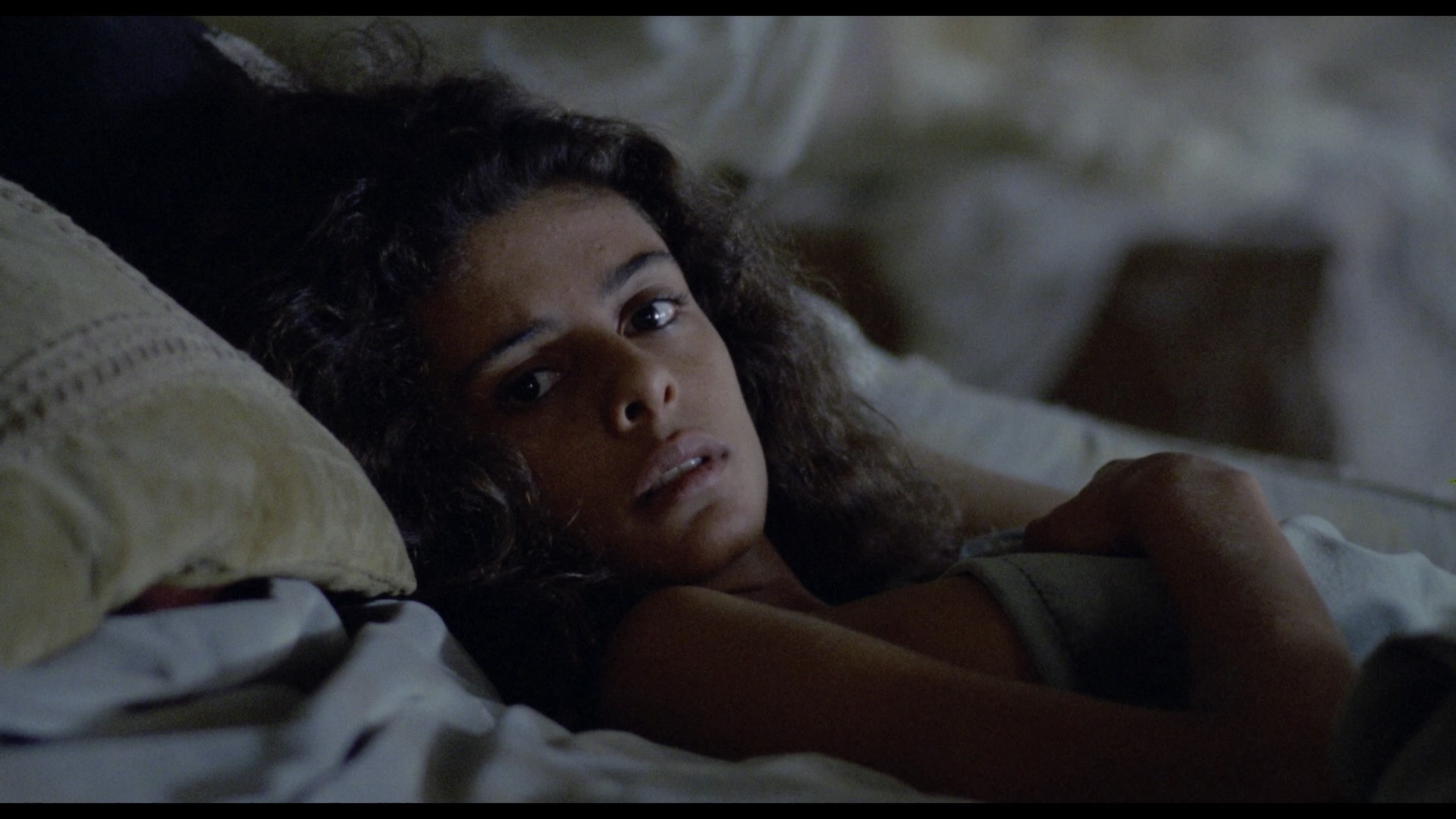 interesting about all of this is the ending of the film as the good guys are essentially unable to do anything about the vampire and it is only through the wounding of a woman that the creature somewhat cares about in his own twisted way, that they are successful, though that too is questionable. Caminito who would direct, not to mention Kinski who would shoot certain scenes, would leave things open-ended in a way. Nosferatu is alive when the picture concludes leaving the audience to wonder if he died in the morning light or if he lived on to take his vengeance upon all of those who wronged him. It is not a bad ending necessarily but something definitive might have worked a little better despite the gothic drama viewers were left with.
Once things get rolling, there is a good amount of blood and the killing is as dramatic as it is horrific. Caminito creates a very haunting atmosphere in the movie and if there is one thing that could be called a real positive, it is that. As previously mentioned, Kinski is quite good as the vampire of note while the rest of the players in this picture do just as good a job in their various roles. A downside to it all would be the script which was a little weak, the story a bit scattershot and given the calibre of the actors within, it would have been nice to see them have something solid to work with. It was not disappointing overall, but it could have been so much more and the bones were all here to work with. Troubled production or not, Nosferatu in Venice is a middle-of-the-road vampire film, not too bad and not as great as it could be.
2.5 out of 5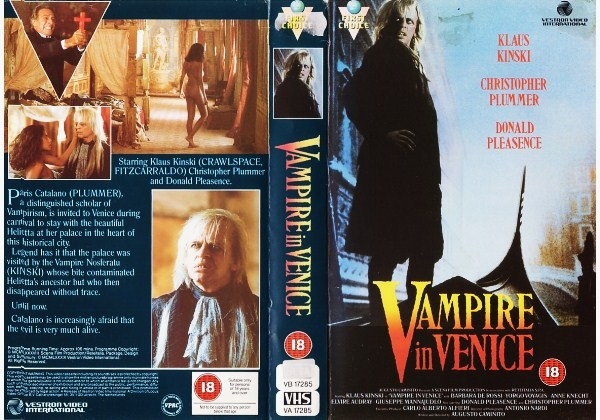
Categories: Horror, Movies and Film
 The Telltale Mind